Trust
SynoCell Testing and Quality: What Is Published and What Is Not
SynoCell publishes every ingredient amount, with no proprietary blend. It does not publish a lab report, a named certifier, the other ingredients, warnings or the maker's address on its web pages. The GMP and registered-facility badges are brand graphics. Facility registration is not FDA approval (FDA 101). Buy from the brand and ask for a certificate of analysis for your lot.
Written by the SynoCell editorial teamUpdated
Short answer
Is SynoCell third-party tested?
We could not confirm any third-party testing of SynoCell. The brand's web pages name no testing lab and publish no lab report.
That does not mean the capsules are poor. It means the proof is not public, so a buyer cannot check it. A careful buyer treats every quality badge as a claim until a document backs it up.
The FDA does not approve dietary supplements before they go on sale. Companies are responsible for the safety of what they sell (FDA 101) (ODS WYNTK). So the paperwork a brand can show you matters more than any badge.
The record
What does the brand publish about SynoCell, and what is missing?
The strongest point is the Supplement Facts. All five ingredients have their own printed amounts, 1,005 mg in total, with no proprietary blend. The gaps are everything around them.
| Ingredient amounts | All five printed: ASU 310 mg, quercetin 310 mg, boswellia 200 mg, hyaluronic acid 180 mg, black pepper extract 5 mg |
|---|---|
| Boswellia standardization | 65% boswellic acid |
| Other ingredients (shell, fillers) | Not published |
| Warnings | Not published |
| Storage | Not published |
| Maker's name and address | Not published on the product page |
| Company in the brand's terms | Konscious Brands (Konscious LLC, Enclave LLC, Vital Health LLC), San Juan, Puerto Rico |
| Country of manufacture | Not published |
| Certifier behind the GMP badge | Not published |
| Third-party lab results | Not published |
| Lot and CoA codes | SC-26/MY-4084 and SC-4084-26-MY: seller reference codes, not lab proof |
FDA rules say the bottle label must name the maker, packer or distributor and give a U.S. address or phone for reports (FDA Q&A). Look for that line on the bottle you receive. The full panel is explained on the SynoCell Supplement Facts page.
Brand badges
Do the SynoCell badges prove quality?
No. Each badge is a brand graphic. The notes say what each one does and does not show.
A brand badge. No certifier or audit report is named.
A brand badge. Registering a facility with the FDA does not mean FDA approval.
90 days per the brand's refund policy, with conditions. A purchase policy, not a promise of pain relief.
Seals describe; they do not endorse. None of the three names an outside auditor, a certificate number or a date.
Two terms
What do "GMP" and "registered facility" mean for SynoCell?
GMP means Good Manufacturing Practice, a set of plant rules. A registered facility is one listed with the FDA. Neither term means the FDA tested or approved SynoCell (FDA 101).
What it can mean
Good Manufacturing Practice covers clean equipment, written procedures, staff training and records. A badge backed by a named auditor tells you someone outside the company checked the plant.
What it does not show here: which plant, which auditor, or when the last audit took place.
What it can mean
Food and supplement plants register with the FDA so the agency knows where they are. Registration is a listing.
What it does not show here: an inspection result, a quality grade, or any FDA view of the product. It is not approval.
Neither badge tells you how much of each ingredient is in a capsule, or whether the capsules are free of contaminants. Only a lab test answers those questions.
Claims check
Do SynoCell's marketing claims match its quality record?
Not fully. The brand's marketing goes further than its own disclaimer allows. We do not repeat its claims about cartilage, discs or inflammation.
The brand publishes the required FDA statement: These statements have not been evaluated by the Food and Drug Administration. This product is not intended to diagnose, treat, cure, or prevent any disease. Supplements may not claim to treat disease (FDA S/F claims). The FTC says a disclaimer does not fix a misleading claim, and claims need research that matches the product's dose and formula (FTC health products). No trial of SynoCell itself has been published.
Fair credit matters too. Printing every amount lets buyers compare doses with research. ASU at 310 mg sits close to the 300 mg studied (ASU meta-analysis (DARE)), and black pepper extract matches the 5 mg used in absorption studies (BioPerine review). See the boswellia profile for how that ingredient compares.
Ask for proof
How do you ask for a SynoCell certificate of analysis?
A certificate of analysis (CoA) is a lab report for one batch. Five steps get you one, or a clear non-answer.
Find the lot
Read the lot number printed on your bottle and take a photo of it.
Email the brand
Write to [email protected] with your order ID. Ask for the certificate of analysis for that exact lot.
Ask three questions
Which lab tested it? Which ingredients and contaminants were measured? Who made the capsules, and where?
Call if needed
You can also ask the order desk at +1 (302) 200-3480. Keep every reply in writing.
Judge the answer
Check the report against the checklist that follows. No answer after a fair wait is an answer too.
The codes SC-26/MY-4084 and SC-4084-26-MY are seller reference codes. Use them to ask; do not treat them as the answer. More on lot numbers: SynoCell batch verify.
Read the report
What should a real SynoCell lab report include?
A real report names the lab, the batch and the date. It gives measured results next to the label amount. If any of those are missing, it is a sales sheet, not a test.
| Item | What good looks like | Red flag |
|---|---|---|
| Lab name | An independent lab with an address | No lab named, or only the seller's name |
| Batch number | Matches the lot printed on your bottle | No batch, or a different one |
| Test date | Recent, signed | Undated |
| Potency | Measured amounts for the five ingredients vs the label | "Pass" with no numbers |
| Boswellic acids | Measured percent vs the 65% claim | Not tested |
| Contaminants | Heavy metals and microbes, with limits | Not tested |
| Hidden drugs | Screen for common painkillers and steroids | No screen at all |
Fair summary
What does SynoCell get right on quality, and what is missing?
In its favor
- Every amount printed, no proprietary blend
- Boswellia standardization stated
- BioPerine trademark named
- Sold through the brand's own checkout
Missing or weak
- No published lab results
- No certifier named for the badges
- Other ingredients and warnings not on the web pages
- Maker's address not on the product page
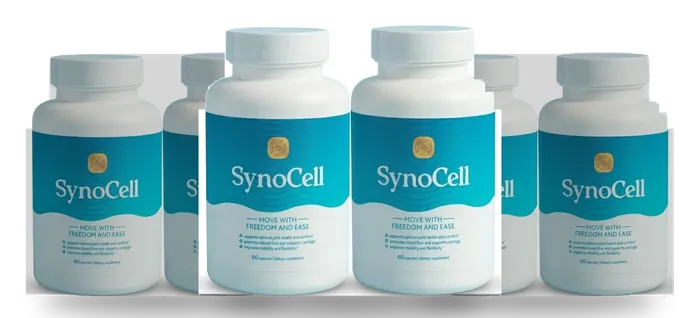
The NCCIH notes that terms like "standardized" or "verified" do not guarantee quality on their own (NCCIH supplements wisely). A named lab and a matching lot number do.
FAQ
SynoCell testing and quality: common questions
Is SynoCell checked by the FDA before it is sold?
No. The FDA does not approve any dietary supplement before sale, and companies are responsible for safety (FDA 101). SynoCell's label carries the standard statement that its claims were not evaluated by the FDA. A registered facility is a listing, not approval.
Who makes SynoCell?
The brand's terms name Konscious Brands (Konscious LLC, Enclave LLC, Vital Health LLC), operating from San Juan, Puerto Rico. The product page does not name the plant that makes the capsules. Check your bottle for the maker or distributor line FDA rules require (FDA Q&A).
Does SynoCell have a certificate of analysis?
None is published. The code SC-4084-26-MY is a seller reference code, not a lab report. Email [email protected] and ask for the lab certificate that matches the lot number on your bottle.
What does the GMP badge on SynoCell mean?
GMP stands for Good Manufacturing Practice. On SynoCell's graphics the badge appears with no certifier name, audit date or report, so it is the brand's own claim. Ask the brand which auditor checked the plant.
Is SynoCell made in the USA?
The brand's web pages do not say where SynoCell is made. The company named in its terms operates from San Juan, Puerto Rico. Look at the bottle label for a country of origin or ask the brand directly.
Can joint supplements contain hidden drugs?
Some have. The FDA found undeclared dexamethasone, diclofenac and methocarbamol in two arthritis products sold as supplements (FDA tainted arthritis). Nothing suggests SynoCell is affected, but buying from the brand and asking for a lab report lowers the risk.
Is SynoCell a proprietary blend?
No. Every one of the five ingredients has its own printed amount, 1,005 mg in total per 2-capsule serving. That is a real strength, because buyers can compare each dose with research.
Who wrote this
Written and reviewed by
Plain-language pages built from the bottle label, the order page and linked public health sources such as NIH, FDA and CDC.
Last updated . See our editorial standards and how we check reviews. This website is run by a U.S. retail desk for SynoCell, not by the manufacturer. This site earns money when you buy through our order links.
Keep reading
More about SynoCell
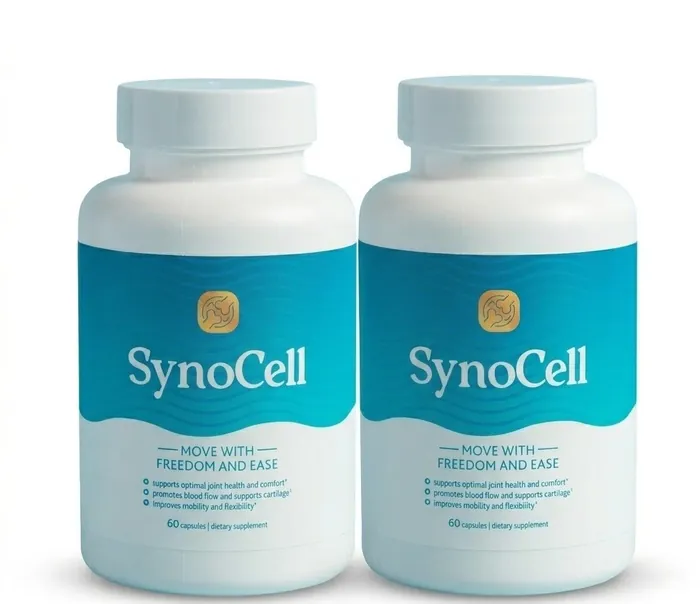
Batch verify
What the SynoCell lot and CoA codes really mean, and five quick checks for the bottle you receive.
Read moreSupplement Facts
The SynoCell Supplement Facts explained line by line, plus the label details the brand's web pages leave out.
Read more
Where to buy
The brand says SynoCell is sold only on its own site. How that compares with an eBay listing from overseas.
Read moreLicensed U.S. retail desk for SynoCell
Ready to try SynoCell?
Pick a pack. Two capsules a day; the 3- and 6-bottle packs cover the whole 90-day window.
- Secure brand checkout
- 90-day money-back window
- Free U.S. mainland shipping