Ingredient research
What Is ASU in SynoCell and Is the 310 mg Dose Studied?
ASU in SynoCell is avocado and soybean unsaponifiables, listed at 310 mg per 2 capsules, close to the 300 mg a day used in trials. A 2008 meta-analysis of 4 trials (664 people, 3 to 12 months) found a small-to-moderate benefit for pain and function. Knee results were significant, hip results were not.
Written by the SynoCell editorial teamUpdated · 9 min read
The basics
What is ASU, and how much is in SynoCell?
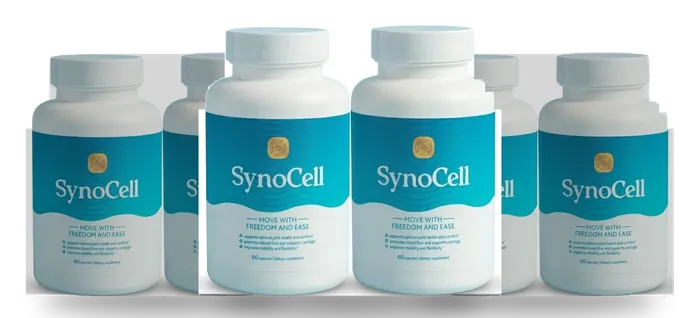
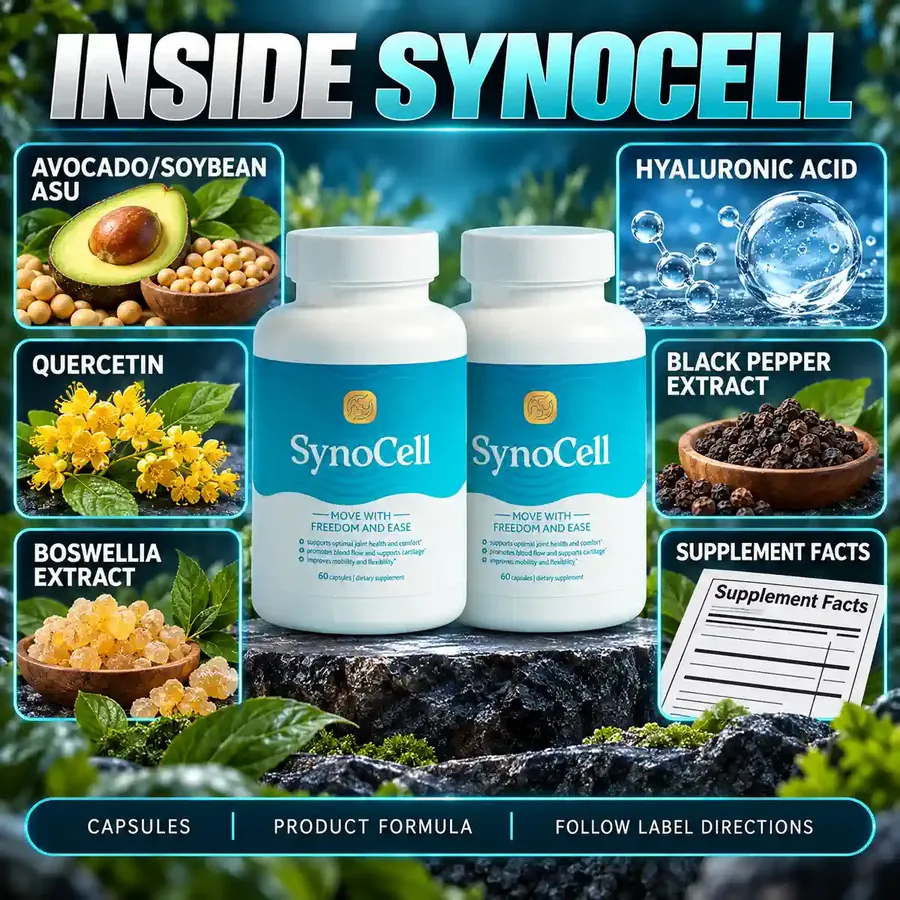
ASU stands for avocado/soybean unsaponifiables. The brand's product page lists 310 mg of it in each 2-capsule serving of SynoCell, the largest amount of the five ingredients, tied with quercetin.
It is a technical name for a simple idea. When avocado and soybean oils are processed, most of the fat can be turned into soap. A small fraction cannot. That leftover fraction is the "unsaponifiable" part. It holds plant sterols and other fat-soluble compounds.
ASU is a concentrated extract, not the same as eating avocado or tofu, and products differ in how they make it.
Every amount on the SynoCell label is printed, with no proprietary blend. That lets you check the ASU dose directly. The full panel is on the SynoCell Supplement Facts page, and the ingredient profile is on the ASU ingredient page.
The key study
What did the 2008 ASU meta-analysis find?
A 2008 meta-analysis by Christensen and colleagues pooled 4 randomized trials with 664 people who had knee or hip osteoarthritis (ASU meta-analysis (DARE)). People took ASU or a placebo for 3 to 12 months. ASU came out ahead on pain and on daily function, by a small-to-moderate margin.
A meta-analysis pools several trials to get a clearer answer. It is only as good as the trials inside it.
| Measure | Result | What it means in plain words |
|---|---|---|
| Trials and people | 4 trials, 664 people | A modest evidence base; one large trial could change the picture |
| Length | 3 to 12 months | Effects were judged over months, not days |
| Pain (effect size) | 0.39 (range 0.01 to 0.76) | Small to moderate; the low end is barely above zero |
| Function (effect size) | 0.45 | Slightly larger than the pain effect |
| Number needed to treat | 6 | About 6 people took ASU for 1 extra person to improve compared with placebo |
| Knee vs hip | Knee significant; hip not significant | The benefit showed up mainly in knees |
| Funding | All 4 trials industry-funded | Paid for by companies with a stake in the result |
The reviewers also flagged high variation between trials and small study sizes. Both make the pooled number less certain.
Reading the numbers
How big is an effect size of 0.39?
Researchers class an effect size of 0.39 as small to moderate. Researchers often call 0.2 small, 0.5 moderate and 0.8 large. So the ASU pain result sits between small and moderate.
An effect size compares the average change on ASU with the average change on placebo. It is measured in units of how much people varied. It does not tell you how much any one person improved.
The range matters as much as the headline. The pain result ran from 0.01 to 0.76. At the low end, ASU barely beat placebo. At the high end, the effect was close to moderate. The true answer is somewhere in that band, and the data cannot say exactly where.
Picture 6 people with knee or hip osteoarthritis taking ASU for months. On average, 1 of them improves who would not have improved on placebo. The other 5 either improve anyway or do not improve at all.
The National Center for Complementary and Integrative Health reached a similar view. It notes that a 2014 review found ASU gave slight gains in pain and function that patients may not find meaningful (NCCIH OA).
Knee vs hip
Does ASU work better for knees than hips?
In the 2008 meta-analysis, yes. The knee result was statistically significant, while the hip result was not (ASU meta-analysis (DARE)). That does not prove ASU fails for hips. It means the hip data were too few or too mixed to show a clear effect.
A measurable benefit
Pooled knee data showed ASU ahead of placebo. The size was modest, in line with the overall result. Most of the evidence for ASU comes from knee studies.
No clear benefit shown
Hip results did not reach significance. The Arthritis Foundation does mention a 2013 trial that reported less hip osteoarthritis progression (AF supplement guide), but that is one study, and it does not show SynoCell protects any joint.
If your main trouble is a hip, keep expectations low. If it is a knee, the research is a little more encouraging, but still modest. Either way, the guidelines put exercise, weight management and self-management first (AF guideline summary). More on how the two joints differ is in our knee and hip joint guide.
Who paid
Why does industry funding of the ASU trials matter?
All four trials in the 2008 meta-analysis were paid for by industry (ASU meta-analysis (DARE)). Industry funding does not make a result false. It does raise the bar for trust, because the sponsor had a stake in a good outcome.
- The ASU benefit has not been confirmed by large, independent trials in our sources.
- The Arthritis Foundation rates the quality of ASU evidence as weak and the gains as modest (AF 12 supplements).
- The 2019 joint guideline from the American College of Rheumatology and the Arthritis Foundation does not address ASU at all (ACR/AF 2019 guideline).
Put together, ASU is one of the better-studied joint supplement ingredients, but "better studied" is a low bar in this field. Glucosamine and chondroitin, for comparison, showed no clear overall benefit in the 1,600-person GAIT trial (AF glucosamine).
SynoCell's dose
What does SynoCell's 310 mg of ASU mean?
SynoCell's 310 mg of ASU is close to the 300 mg a day used in the trials and recommended by the Arthritis Foundation (AF supplement guide). On dose alone, it matches. The harder question is whether it is the same kind of ASU.
The trials in the meta-analysis tested a specific ASU product. The brand does not publish where SynoCell's ASU comes from or its avocado-to-soybean ratio. ASU products can differ in both. The FTC expects health claims to rest on research that matches a product's dose, formula and ingredients (FTC health products). So the trial results may not transfer to SynoCell's ASU, even at the same weight.
SynoCell also mixes ASU with four other ingredients. No trial has tested that combination. The 310 mg tells you the dose is in the right range. It does not tell you how this formula performs.
Safety
Is ASU safe to take every day?
ASU appears to be well tolerated. The Arthritis Foundation reports that French safety monitoring, where ASU has long been sold, found no significant problems (AF supplement guide).
The main caution is allergy. ASU is made from avocado and soybean, and the Arthritis Foundation notes it can trigger allergic reactions (AF 12 supplements).
Ask your doctor before taking SynoCell if you are allergic to soy or avocado. Stop and seek care for hives, swelling or trouble breathing.
The other SynoCell ingredients carry their own cautions, mainly with blood thinners and some prescription medicines. Those are covered on the SynoCell side effects page.
At a glance
ASU research by the numbers
FAQ
ASU research questions
Is 310 mg of ASU enough?
On dose, yes. SynoCell's 310 mg is close to the 300 mg a day used in the ASU trials (ASU meta-analysis (DARE)) and named by the Arthritis Foundation (AF supplement guide). Whether it acts the same depends on the ASU source and ratio, which the brand does not publish.
Does ASU help knee osteoarthritis?
It may help a little. A 2008 meta-analysis of 4 trials found a small-to-moderate benefit for knee pain and function (ASU meta-analysis (DARE)). The trials were small and industry-funded, and ASU is not a treatment for osteoarthritis.
How many months did the ASU trials last?
The trials ran 3 to 12 months (ASU meta-analysis (DARE)), so expect to wait weeks to months for any change. Judge it over the brand's 90-day refund window rather than the first few days, and keep notes on stairs, walking and stiffness.
What if I have a soy allergy and want to try ASU?
Ask your doctor first. ASU is made from avocado and soybean oils, and the Arthritis Foundation notes it can trigger allergic reactions (AF 12 supplements). SynoCell's web pages print no allergen warning, so check your bottle's label too.
What are the ingredients in SynoCell besides ASU?
SynoCell lists five ingredients per 2-capsule serving: ASU 310 mg, quercetin 310 mg, boswellia extract 200 mg, hyaluronic acid 180 mg and black pepper extract (BioPerine) 5 mg. The label prints each amount, with no proprietary blend.
Is the SynoCell ASU dose the same as in the studies?
It is close. SynoCell lists 310 mg of ASU per 2 capsules, while the trials in the 2008 meta-analysis used 300 mg a day. No trial of SynoCell itself has been published, so the match applies to the ingredient only.
What is ASU made from?
ASU stands for avocado and soybean unsaponifiables, which come from avocado and soybean oils. SynoCell lists 310 mg of it per 2 capsules.
Who wrote this
Written and reviewed by
Plain-language pages built from the bottle label, the order page and linked public health sources such as NIH, FDA and CDC.
Last updated . See our editorial standards and how we check reviews. This website is run by a U.S. retail desk for SynoCell, not by the manufacturer. This site earns money when you buy through our order links.
Keep reading
More about SynoCell
ASU (avocado/soybean)
SynoCell's ASU dose sits right at the 300 mg studied. What four trials found, and what they cannot tell you.
Read more
Supplement Facts
The SynoCell Supplement Facts explained line by line, plus the label details the brand's web pages leave out.
Read more
Boswellia dose vs studies
SynoCell's 200 mg of boswellia next to the doses trials used, why AKBA matters, and who should ask first.
Read moreLicensed U.S. retail desk for SynoCell
Ready to try SynoCell?
Pick a pack. Two capsules a day; the 3- and 6-bottle packs cover the whole 90-day window.
- Secure brand checkout
- 90-day money-back window
- Free U.S. mainland shipping