Ingredient research
SynoCell Boswellia: How Does the 200 mg Dose Compare?
SynoCell has 200 mg of boswellia extract, standardized to 65% boswellic acids, per 2 capsules. NCCIH says trials used up to 1,000 mg a day of extract, so 200 mg sits inside the studied range, toward the lower end. The label does not state AKBA content, which many positive trials used near 100 mg a day.
Written by the SynoCell editorial teamUpdated · 8 min read
On the label
How much boswellia is in SynoCell?
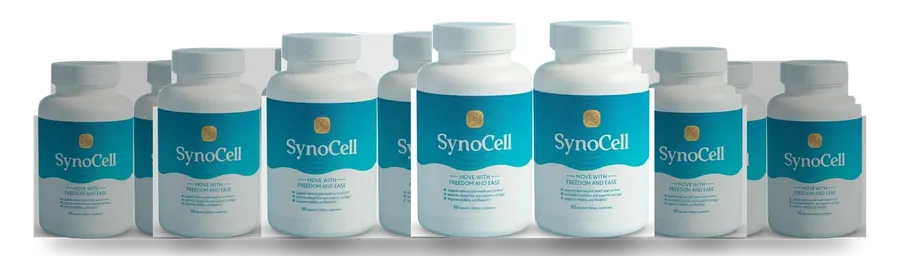
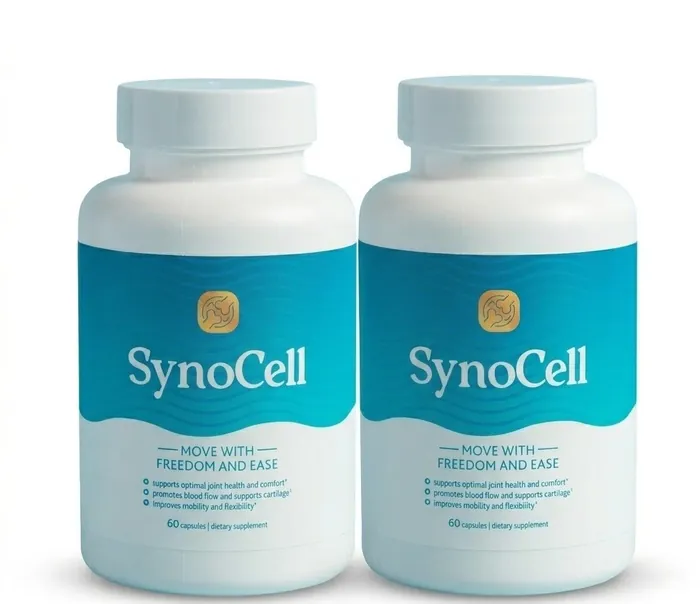
The brand's product page lists 200 mg of boswellia extract per 2-capsule serving. The full line reads "Boswellia extract (Boswellia serrata) (gum resin) (std. to 65% boswellic acid)".
Boswellia serrata is a tree native to India. Its gum resin, the source of the extract, is also called Indian frankincense.
"Standardized to 65%" means the maker sets the extract to contain 65% boswellic acids by weight. If that applies to the full 200 mg, a serving holds about 130 mg of total boswellic acids. The label does not say which boswellic acids make up that share.
The amount is printed, not hidden in a blend. That makes a fair comparison with research possible. See the whole panel on the SynoCell Supplement Facts page.
The research range
What doses of boswellia did studies use?
Studies used a wide range. The National Center for Complementary and Integrative Health says trials gave up to 1,000 mg a day of extract for up to 6 months, and up to 2,400 mg a day for up to 1 month (NCCIH Boswellia). The Arthritis Foundation points to about 100 mg a day of an extract enriched in AKBA (AF supplement guide).
| Product or study type | Daily amount | What it is standardized to | Length |
|---|---|---|---|
| SynoCell (2 capsules) | 200 mg extract | 65% total boswellic acids | No trial of SynoCell published |
| AKBA-enriched branded extracts | About 100 mg | Enriched in AKBA | About 3 months in the reviewed trials |
| Upper range in trials | Up to 1,000 mg extract | Varied by study | Up to 6 months |
| Short high-dose trials | Up to 2,400 mg | Varied by study | Up to 1 month |
So 200 mg is inside the studied range, but closer to the bottom than the top. Extracts are not all alike, though.
Side by side
Is 200 mg of boswellia enough?
It may be, but it cannot be confirmed. On weight, 200 mg is double the 100 mg used for AKBA-enriched extracts, and one fifth of the 1,000 mg upper range (NCCIH Boswellia) (AF supplement guide). Which comparison fits depends on the type of extract, which is the real gap.
The bars show printed amounts against research amounts for three of SynoCell's ingredients. Boswellia is the one where the printed dose sits furthest from the top of the studied range. That is not proof of a weak dose. It is a reason to keep expectations modest.
Extract type
What is the difference between 65% boswellic acids and AKBA-enriched extracts?
The difference is which compounds the extract is built around. "65% boswellic acids" counts the whole family of boswellic acids together. An AKBA-enriched extract is processed to raise one member of that family.
AKBA stands for acetyl-11-keto-beta-boswellic acid. Researchers have focused on it as one of the more active boswellic acids. Several trials the Arthritis Foundation describes used branded extracts, such as 5-Loxin and Aflapin, that are rich in AKBA (AF 12 supplements).
- SynoCell's label lists total boswellic acids at 65%.
- It does not state how much of that is AKBA.
- It does not name a branded boswellia extract.
- So it cannot be matched directly to the AKBA-enriched trials.
Two extracts can both say "65% boswellic acids" and still hold very different amounts of AKBA. The FTC expects health claims to rest on research that matches a product's dose and formula (FTC health products). Without an AKBA figure, that match is not possible here. More detail is on the boswellia ingredient page.
The results
What did boswellia trials actually find?
The trials found a possible benefit for osteoarthritis pain, but the evidence is not strong. NCCIH says several studies suggest boswellia may reduce osteoarthritis pain, and that larger, higher-quality studies are needed (NCCIH Boswellia).
The Arthritis Foundation cites a 2014 Cochrane review. At 3 months, AKBA-enriched extracts lowered pain by about 20 points and improved function by about 8 points, both on 100-point scales (AF supplement guide). The same group rates the overall quality of boswellia evidence as weak (AF 12 supplements).
Memorial Sloan Kettering calls the data on osteoarthritis "conflicting" and also asks for larger trials (MSKCC Boswellia). A 2014 review cited by NCCIH found boswellia and ASU give only slight gains that patients may not find meaningful (NCCIH OA).
The 2019 American College of Rheumatology guideline for hand, hip and knee osteoarthritis does not mention boswellia (ACR/AF 2019 guideline). Its strong recommendations are exercise, weight loss, self-management and proven medicines (AF guideline summary). Boswellia is not a treatment for osteoarthritis, and SynoCell is not either.
Safety
Is boswellia safe, and who should ask a doctor first?
Boswellia is likely safe by mouth for most adults, NCCIH says (NCCIH Boswellia). Memorial Sloan Kettering calls it generally well tolerated (MSKCC Boswellia). The cautions are about stomach upset, allergies, bleeding risk and certain conditions.
Stomach and general effects
Reported side effects include nausea, headache, diarrhea and stomach pain (AF 12 supplements), with mild constipation in some people with IBS (MSKCC Boswellia).
Blood thinners and more
Boswellia may affect platelets, so there is a possible bleeding risk with warfarin and similar drugs (MSKCC Boswellia). It may also add to side effects of ibuprofen, some antidepressants and immunosuppressants (AF supplement guide).
Asthma, RA or lupus
NCCIH advises asking a provider if you have asthma (NCCIH Boswellia). The Arthritis Foundation urges caution with rheumatoid arthritis or lupus (AF supplement guide).
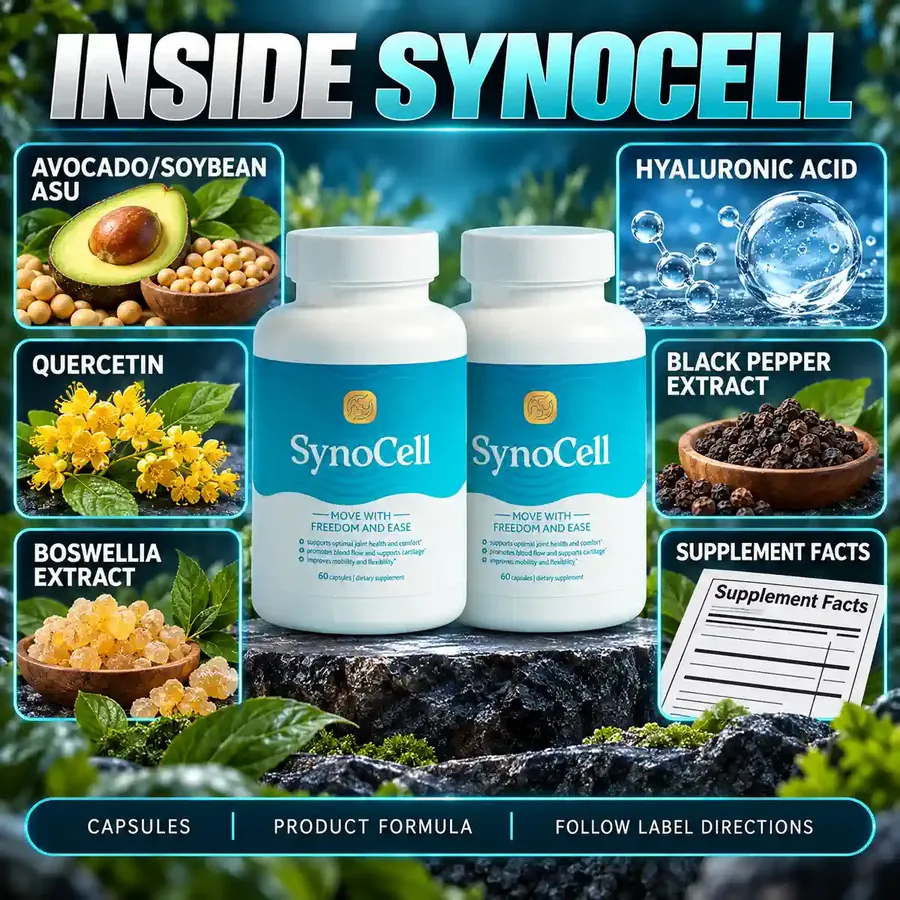
SynoCell also contains quercetin and black pepper extract, which carry their own interaction cautions. Ask your pharmacist before you start, and tell your surgeon about supplements before any operation (NCCIH supplements wisely).
At a glance
Boswellia dose by the numbers
Bottom line
What does the boswellia dose mean for SynoCell buyers?
SynoCell's boswellia dose is printed and inside the studied range, which is a fair point in its favor. It is lower than many trials, and its AKBA content is unknown, so trial results may not carry over.
Boswellia is one of five ingredients. The ASU research is the formula's best-matched dose, and no trial has tested the full SynoCell mix. Take 2 capsules a day, the serving the brand lists, and follow the directions printed on your bottle.
Judge it over weeks, not days. Track walking, stairs and stiffness, and keep up your exercise plan. A joint that turns hot, red or very swollen, or pain that wakes you at night, needs a doctor rather than a supplement.
FAQ
Boswellia dose questions
How much boswellia should you take a day for joints?
Studies used about 100 mg a day of AKBA-enriched extract and up to 1,000 mg a day of other extracts (AF supplement guide) (NCCIH Boswellia). SynoCell lists 200 mg of extract at 65% boswellic acids. Follow your bottle's directions and ask a clinician before going higher.
What does AKBA mean on a boswellia label?
AKBA, short for acetyl-11-keto-beta-boswellic acid, is one of the boswellic acids in the resin. Several branded extracts are enriched in it. SynoCell's label states 65% total boswellic acids but not its AKBA content, so it cannot be matched to AKBA-enriched trials.
Is 200 mg of boswellia too low?
Not necessarily, but it is toward the low end. It sits inside the studied range of up to 1,000 mg a day (NCCIH Boswellia) and above the 100 mg used for AKBA-enriched extracts (AF supplement guide). Without an AKBA figure, its strength cannot be confirmed.
Can I take boswellia with blood thinners?
Ask your doctor first. Memorial Sloan Kettering notes boswellia may affect platelets, raising a possible bleeding risk with warfarin and similar drugs (MSKCC Boswellia). SynoCell also contains quercetin, which has a warfarin case report.
How long does boswellia take to work?
Trials measured results over about 3 months, and some ran up to 6 months (NCCIH Boswellia) (AF supplement guide). Expect weeks, not days, before judging any change, and use the brand's 90-day refund window as your test period.
What are the side effects of boswellia?
Reported side effects include nausea, headache, diarrhea and stomach pain (AF 12 supplements), plus allergic skin reactions (MSKCC Boswellia). Stop and call your doctor if you notice a rash, unusual bruising or ongoing stomach upset.
What does 65% boswellic acids mean on the SynoCell label?
It means the boswellia extract is standardized so that 65% of it is boswellic acids. SynoCell lists 200 mg of this extract per 2 capsules. The label does not state an AKBA amount, which is a different, enriched measure.
Who should ask a doctor before taking SynoCell boswellia?
People who take blood thinners or other regular medicines should ask first. Boswellia is tied to most of the mild stomach upset, nausea and loose stools seen with this formula, so check with a doctor or pharmacist.
What is boswellia extract in SynoCell standardized to?
The boswellia extract in SynoCell is standardized to 65% boswellic acids, at 200 mg per 2 capsules. The label does not list AKBA content.
Who wrote this
Written and reviewed by
Plain-language pages built from the bottle label, the order page and linked public health sources such as NIH, FDA and CDC.
Last updated . See our editorial standards and how we check reviews. This website is run by a U.S. retail desk for SynoCell, not by the manufacturer. This site earns money when you buy through our order links.
Keep reading
More about SynoCell
Boswellia serrata
Boswellia is printed at 200 mg in SynoCell. How it compares with trial doses, and the stomach and bleeding cautions.
Read more
Side effects
SynoCell side effects ingredient by ingredient, the medicine interactions that matter most, and when to stop.
Read moreASU research explained
The 2008 ASU meta-analysis in plain numbers: 664 people, knee vs hip, who paid, and what SynoCell's 310 mg means.
Read moreLicensed U.S. retail desk for SynoCell
Ready to try SynoCell?
Pick a pack. Two capsules a day; the 3- and 6-bottle packs cover the whole 90-day window.
- Secure brand checkout
- 90-day money-back window
- Free U.S. mainland shipping